
Canada needs a national public transportation system.
Recently, Greyhound Bus pulled out of Ontario and Québec for the last time. And with that final pull-out national media finally took notice. But throughout Northern North America, Turtle Island and Canada — the connections among small communities and between large and small centres has been absent for a very long time — even when the private, American-owned and operated Greyhound bus line was still in place.
The absence of interconnected publicly funded and regulated people transportation services that also accomodate bicycles, packages, parcels and tourists has limited people’s ability to work, visit and travel to the many interesting communities in this vast land.
Let’s Ride! Make Public Transit BC Wide is a grassroots campaign organized to promote a broad public transportation network to connect communities throughout BC and Canada.i
Members have been working to gather support from individuals, families, communities and organizations aimed at convincing provincial and federal governments to invest in accessible, public transportation – for everyone – regardless of where you live in this region, province or country.
Why is Canada so far behind other North American, European and most other countries in the world, where both public and private ground transportation is a given? International and inter-provincial transportation is a federal responsibility in Canada, provinces are responsible for intra-provincial transportation. While airlines have been subsidized with billions of dollars during the pandemic, Canada’s ground transportation network is in a shamble from years of neglect. The only sure way of getting from place to place in BC and Canada is by private automobile despite the promises of confederation and despite the overwhelming proof of the negative health effects of pollution from gas-burning cars.
Like some of you, I live in a city with reasonable public transportation. But imagine living outside an urban centre, where travelling from one town to another or from a small community to a bigger one or to another small one is impossible unless you drive. A casual trip to the clinic, doctor’s office or the hospital is a nightmare when you live in a small community anywhere in BC or across the country. Canada needs a national, public transportation system that promotes accessibility and reduces our dependency on private cars.
Urban dwellers or tourists without cars, or those who prefer safe public ground transportation like buses or trains, can’t visit communities outside the major centres in any Canadian province.
The subject of publicly managed, regulated and accessible transportation throughout BC and other provinces exacts a shudder from governments who decry their ability to support a broad public transportation network complete with safe pick-up and drop-off hubs. Too expensive for the public purse? Consider how the public purse has been subsidizing the oil and gas industries, not just through tax breaks but by building roads, bridges, parking garages and more to accommodate the private car. The Saskatchewan Transport Company, a public company from 1948 to 2017, was sold as a cost-cutting exercise. Public transportation be damned! In BC the current government removed bridge tolls and started planning for new bridges and highways mostly in urban areas, but little support has been given to inter-regional public transportation and nothing to reduce single driver cars.
Let’s Ride! is an appeal to you, citizens of BC and other provinces, to bring pressure on government leaders, at all levels, to come clean on decades-old transportation promises.
Canadian governments gave Indigenous land to railway and highway paving companies and to settlers but stopped at demanding or providing ongoing, accessible, reliable public transportation for both Indigenous and settler communities. Building regional and national accessible, public transportation networks should be at the top of every government move toward just and green solutions—especially following a pandemic that has shown how reducing car traffic can also reduce air pollution.
Without broad demands from the public, governments, this one or the next, will not act. Only we can make them understand that ignoring people’s need of public transportation connectivity from one region to another and from one coast to another will be at their political peril.
Let’s Ride! Make Public Transit BC Wide has had some excellent support from organizations such as the Union of BC Indian Chiefs, Dogwood and university student unions, to name a few. The BC Union of Municipalities has long supported strong public transportation. Saskatchewan’s cost-cutting exercise is a reminder that governments must be held to account for destroying transportation infrastructure. Similarly, federal politicians need reminding of their transportation commitments.
Let’s Ride! provides a platform for people across BC and other provinces to advocate for planning and building a forward-looking, sustainable, equitable public highway bus system.
British Columbians and all Canadians need a clear, multi-faceted, inter-community network that coordinates all modes of transit and takes into consideration current reality and foreseeable transit needs for all British Columbians and all Canadians.
Your pledge, your letters to governments–federal, provincial, municipal and town — your discussions with neighbours, friends and family, your concern for the greening of our communities and our economy are what it will take to ensure that anyone living in BC can count on an accessible, green, public transportation system
Start by visiting Let’s Ride! Make Public Transit BC Wide
https://bcwidebus.wordpress.com
Take the pledge, read people’s stories, or visit the campaign on facebook:
https://www.facebook.com/Let’sRideMakePublicTransitBCWide

 30-
30-
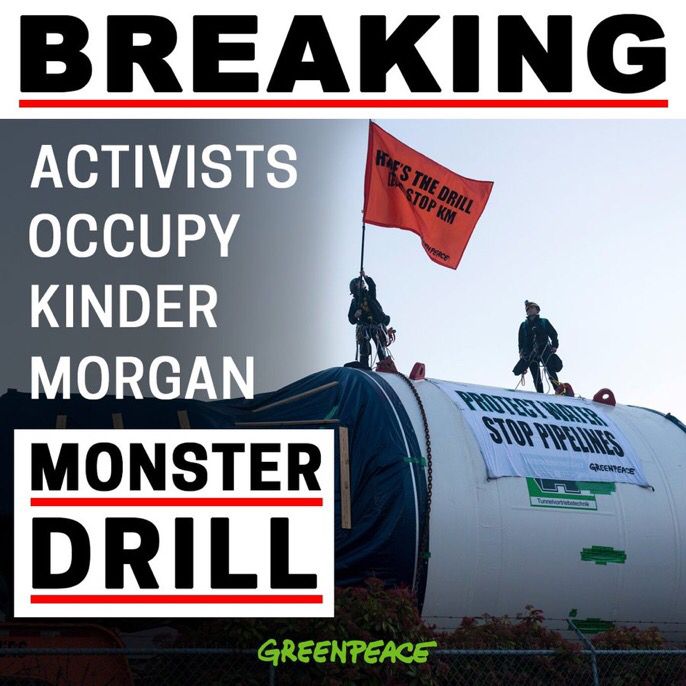
 won’t have to pay the indemnification bill for Kinder Texas Oil Giant Kinder M


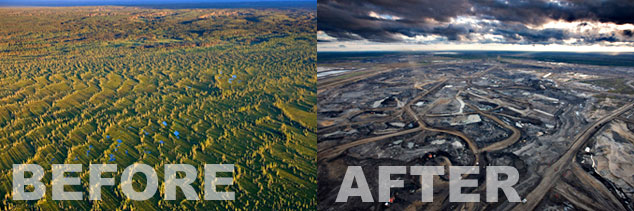
 by these mining companies.
 2909 W Broadway, Vancouver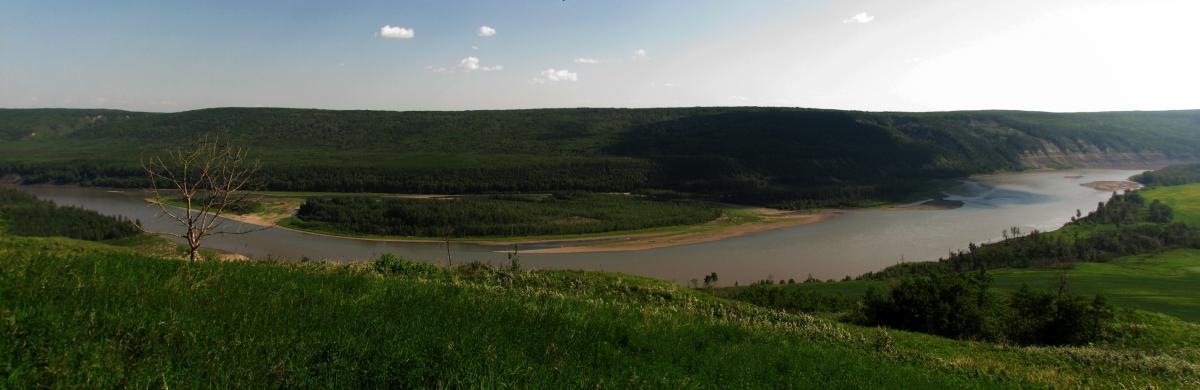


 Thanks to the
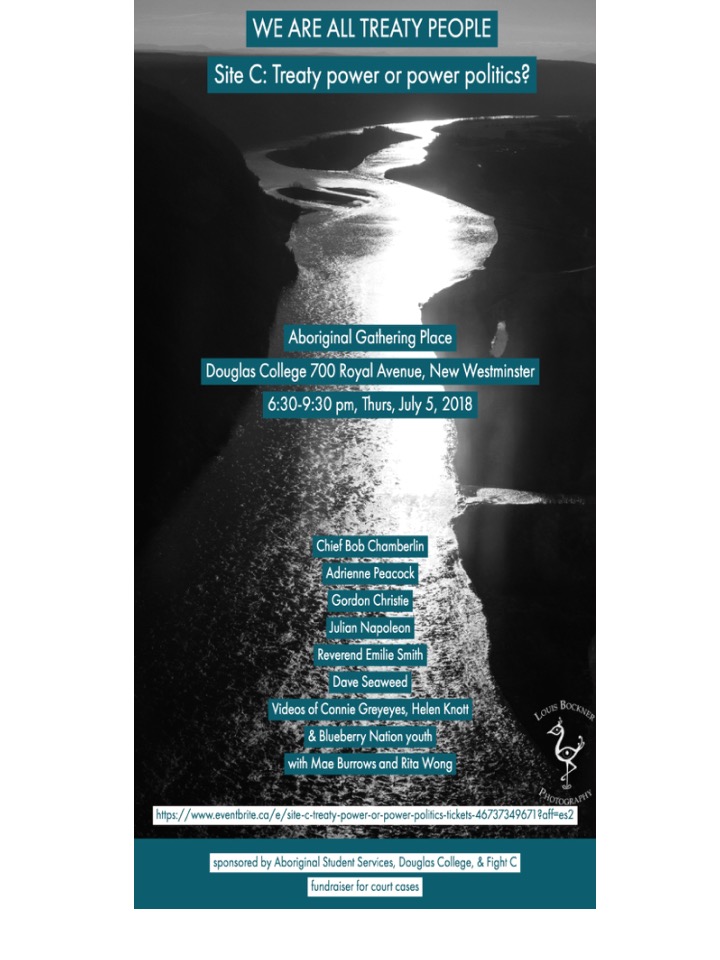
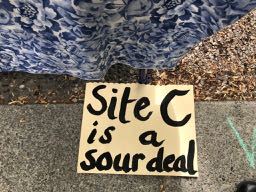
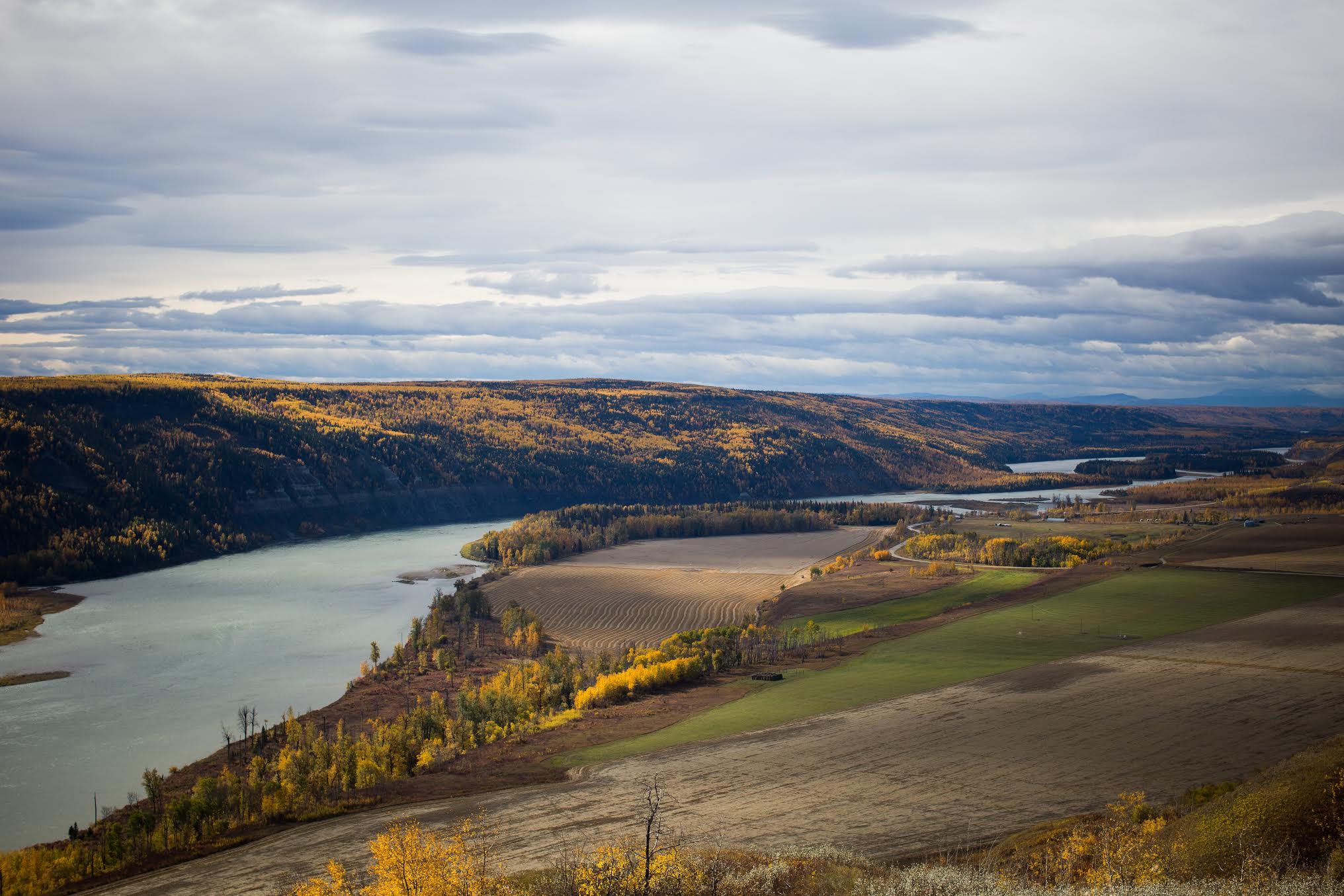 Like many others who live in the Lower Mainland of British Columbia I’ve never been to the Peace River Valley. I knew nothing of the people who have lived in the area for hundreds if not thousands of years. People in my own family went to work on the first damming of the Peace River known as the W.A.C. Bennett Dam after the B.C. Premier who promoted the dam. No consideration was given to the people whose lands were flooded to create the first dam. Not until 50 years later when in 2017 BC Hydro apologized for the pain and harm brought about by the dam’s construction. But that did not stop BC Hydro or the newly minted coalition government from proceeding with a new dam, the Site C despite strong arguments that it will destroy farm more than it will create well being.


 louiseleclair